

Articolo del 18/02/2026
Brain Aneurysm: Is Prevention Possible?
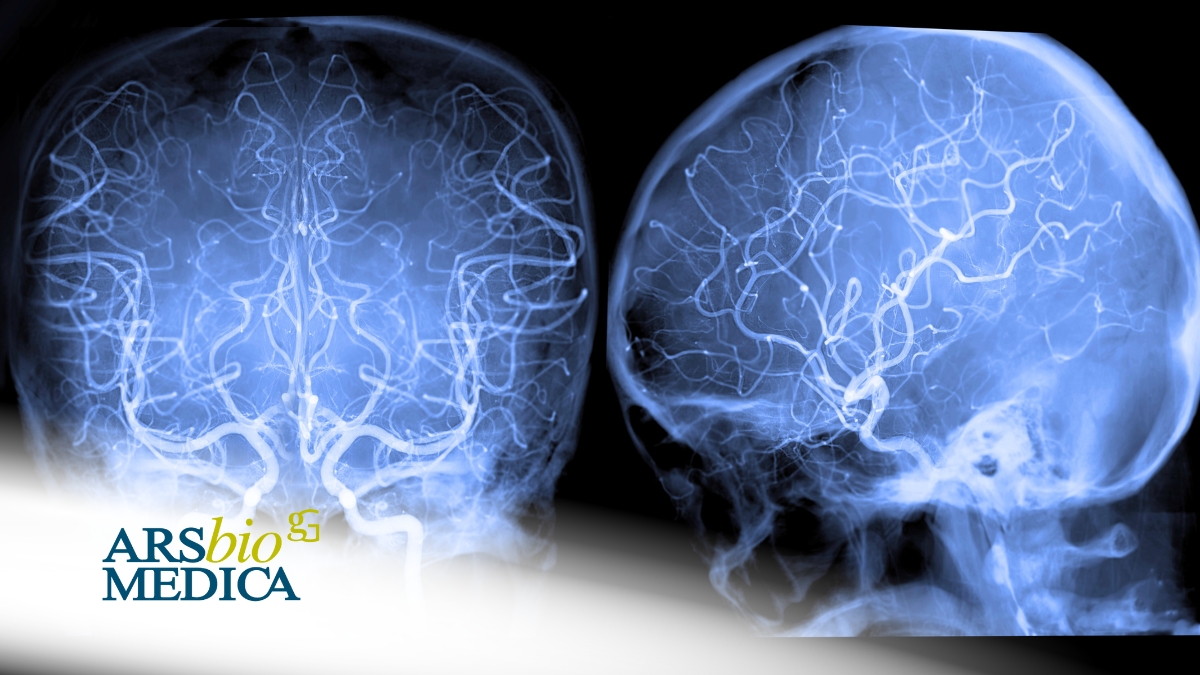
A brain aneurysm is an abnormal dilation of a cerebral artery that may rupture, causing a potentially life-threatening hemorrhage.
Aneurysms can range in size from just a few millimeters (typically 3–10 mm) to so-called “giant” aneurysms measuring more than 2.5 cm in diameter. They may affect any cerebral artery, though their frequency and symptoms vary depending on their location.
What exactly is a brain aneurysm? What treatment options are available?
We discuss this topic with Professor Ada Francia, Neurologist at the clinic.
Only a small percentage of aneurysms rupture. The incidence of rupture peaks between the ages of 50 and 60 and is relatively rare in childhood, where aneurysms are often associated with inflammation or arteriovenous malformations.
Size and Risk of Rupture
The size of an aneurysm is directly correlated with its risk of rupture.
Aneurysms smaller than 6–7 mm carry an extremely low risk of hemorrhage (approximately 0%, rising to about 2.5% if located in the posterior cerebral circulation). When the diameter exceeds 7 mm, the risk of rupture increases proportionally with size. Therefore, aneurysms larger than 7 mm generally require timely treatment.
For aneurysms measuring between 5 and 7 mm, careful evaluation by a neurosurgeon is essential. The specialist will assess additional risk factors, including:
-
Patient age
-
Aneurysm morphology
-
Location
-
Presence of multiple aneurysms
-
Changes observed in follow-up imaging
-
The patient’s preferences
Risk Factors
Brain aneurysms may be associated with congenital (present at birth) conditions, such as:
-
Aortic coarctation – a congenital narrowing of the aorta that restricts blood flow
-
Collagen disorders – genetic or structural abnormalities of collagen affecting connective tissue strength
-
Fibromuscular dysplasia – a vascular disease causing abnormal thickening of arterial walls, leading to stenosis, aneurysms, or dissections
There are also acquired risk factors, including fungal and bacterial infections. Additional contributing factors include:
-
High blood pressure
-
Cigarette smoking
-
Alcohol or substance abuse
-
Family history
-
Age over 50
Blood pressure plays a key role in the risk of rupture. Physical exertion that raises blood pressure—such as coughing, sexual activity, or straining—may trigger hemorrhage. However, aneurysms can occasionally rupture at rest or even during sleep.
Symptoms of an Unruptured Brain Aneurysm
In most cases, an unruptured aneurysm remains silent throughout life and is often discovered incidentally during imaging performed for other reasons.
Rarely, it may enlarge and produce symptoms due to a “mass effect,” compressing nearby structures. Possible symptoms include:
-
Headache
-
Eye movement disturbances (due to cranial nerve compression)
-
Seizures
-
Trigeminal neuralgia (facial pain described as electric shocks)
-
Dizziness
-
Stroke
Treatment of an Unruptured Brain Aneurysm
When an unruptured aneurysm is diagnosed, a multidisciplinary team—typically including a neurosurgeon, neurologist, and interventional neuroradiologist—evaluates whether to proceed with treatment or opt for clinical and radiological monitoring.
Treatment decisions depend on several factors, including:
-
Aneurysm location
-
Patient age
-
Neurological condition
-
Size and morphology
-
Changes over time
-
Individual risk profile
Management Options
If the aneurysm is considered manageable, the approach may include:
-
Clinical observation and periodic imaging for small (<7 mm), low-risk aneurysms
-
Lifestyle modifications, including strict blood pressure control and smoking cessation
-
Preventive treatment in high-risk patients (family history, symptomatic aneurysms)
For large or high-risk aneurysms, treatment options may include:
-
Surgical clipping – placement of a metal clip via craniotomy to occlude the aneurysm
-
Endovascular embolization – filling the aneurysm with coils or placing a stent; a less invasive technique suitable for many cases
-
Intra-extracranial bypass surgery – reserved for complex aneurysms
Is True Prevention Possible?
There is no definitive way to prevent the formation of brain aneurysms. However, the risk of rupture can be significantly reduced through targeted health measures and appropriate clinical monitoring.
Control Blood Pressure
Hypertension is one of the leading risk factors. Maintaining optimal blood pressure under medical guidance is essential to protect blood vessels.
Quit Smoking
Smoking weakens vessel walls and increases the risk of rupture. Quitting smoking is one of the most important steps for both brain and heart health.
Maintain a Healthy Lifestyle
A balanced diet, regular physical activity, and moderation in alcohol consumption help preserve vascular health.
Be Aware of Family History
Individuals with a family history of aneurysms should inform their physician. In selected cases, screening with MRI or MR angiography may be recommended.
The Importance of Early Diagnosis
Detecting an aneurysm before it ruptures can be life-saving. Today, advanced diagnostic techniques and highly effective treatments allow safe and targeted intervention when necessary.
Modern neurology offers increasingly sophisticated tools, but prevention and early detection remain the most powerful strategies to safeguard brain health and quality of life.
It is crucial not to ignore warning signs such as:
-
Sudden, severe headache
-
Visual disturbances
-
Nausea and vomiting
-
Loss of consciousness
In the presence of these symptoms, immediate evaluation in the emergency department is essential.