

Articolo del 04/02/2026
Brain MRI: What Is It Used For?
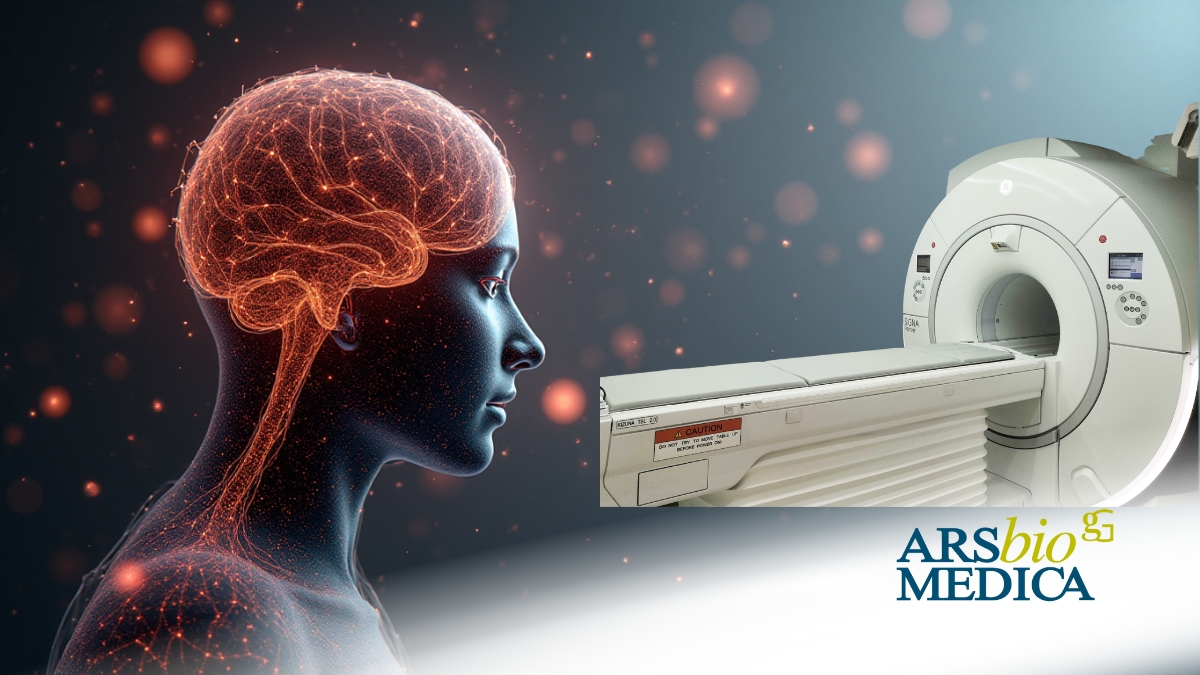
Magnetic Resonance Imaging (MRI) of the brain is a fundamental diagnostic tool for accurately identifying a wide range of conditions that a standard CT scan often cannot adequately detect. This examination is particularly valuable in diagnosing demyelinating diseases of the nervous system, ischemic lesions such as multiple sclerosis, space-occupying brain lesions, infections including meningitis and encephalitis, abnormalities in cerebrospinal fluid pressure (hydrocephalus), and the underlying causes of headaches.
But when should a brain MRI be performed?
We discuss this with Dr. Chiara Andreoli, a radiologist and specialist in neurological imaging at the clinic.
In addition, thanks to specific imaging sequences such as TOF (Time-of-Flight), which allow evaluation of intracranial arterial and venous vessels without the use of contrast agents, it is also possible to assess vascular conditions such as venous thrombosis, stenosis, and aneurysms.
When Is a Brain MRI Indicated?
Brain MRI is usually prescribed by a neurologist to investigate the cause of symptoms such as:
-
Sudden weakness in the limbs
-
Visual disturbances
-
Dizziness
-
Headaches
-
Epileptic seizures
-
Sudden behavioral changes
Preparation for the Exam
In general, brain MRI does not require any special preparation. However, it is advisable to bring reports from previous imaging studies so the radiologist can make a comparative evaluation.
If the examination requires the use of contrast material, the following is necessary:
-
Fasting for at least 5 hours
-
Bringing a recent blood test report showing creatinine levels (if unavailable, this test can be performed on-site using a FAST procedure)
-
Continuing regular medications with a small amount of water
-
Reporting any known allergies so that appropriate preventive measures can be taken
Can Everyone Undergo a Brain MRI?
In principle, yes. However, in the presence of implanted medical devices (such as pacemakers) or metallic elements in the body (screws, fixation pins), compatibility with the MRI scanner must be assessed, or temporary pacemaker deactivation may be required under the supervision of a cardiac specialist.
Most modern devices are MRI-compatible, but final confirmation must always be provided by specialized medical staff.
MRI vs. CT Scan
Compared to computed tomography (CT), MRI:
-
Does not use ionizing radiation
-
Does not necessarily require iodinated contrast agents, which may have contraindications
-
Offers superior diagnostic sensitivity
What About Patients with Claustrophobia?
Thanks to artificial intelligence and 3-Tesla MRI technology, examination times are significantly shorter than with older equipment. As a result, claustrophobic patients generally tolerate the procedure better, as they spend less time inside the scanner.
Why Choose Brain MRI?
Brain MRI allows for more precise differentiation between white matter and gray matter, enabling more accurate localization of lesions. It is the imaging technique of choice for the evaluation of primary or metastatic brain tumors, acute hemorrhages, and cerebrovascular diseases.