

Articolo del 03/12/2025
It happens to everyone: after a run, a workout at the gym, or even just a hectic day, your breathing speeds up, your heart races, and you feel out of breath. It’s a normal reaction—your body is working harder to deliver oxygen to your muscles, and usually just a few minutes of rest are enough to bring everything back to normal.
But what are the warning signs? When is it time to see a cardiologist? And how do you tell the difference between simple fatigue and a symptom you shouldn’t ignore?
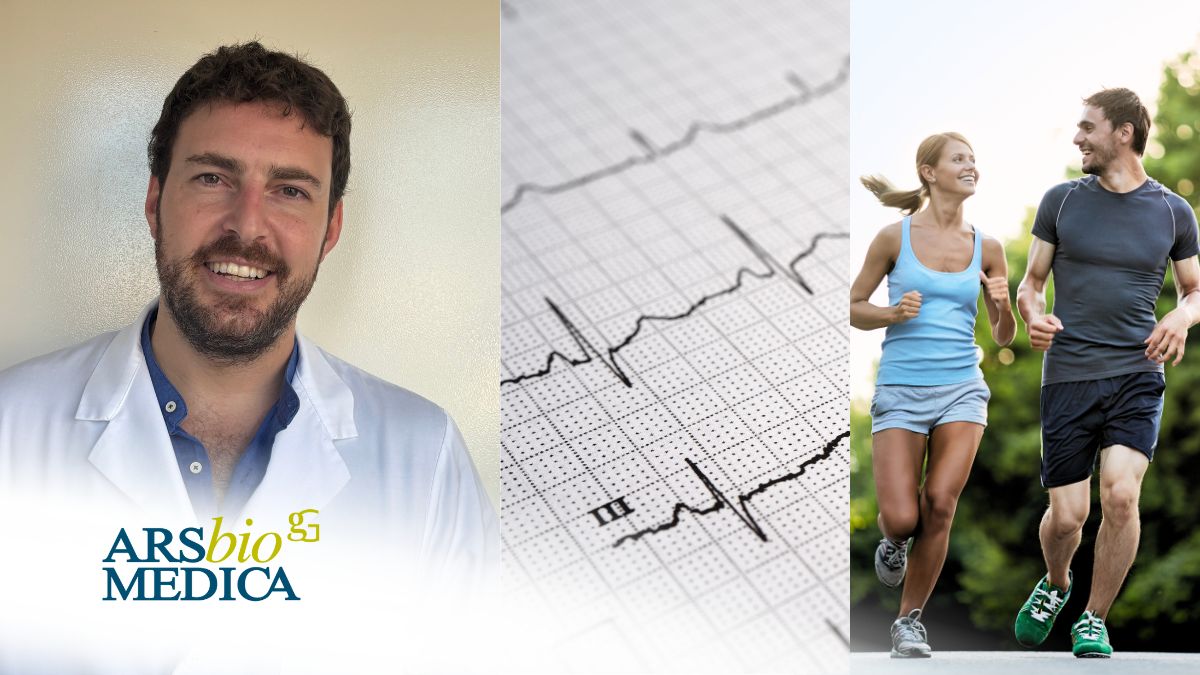
We discuss it with Dr. Marco Tocci, cardiologist at the Cardiology Center of the clinic.
After the holidays—or any long period of inactivity—the desire to get moving again is strong. Exercise is, in fact, one of the best allies for your health. But before jumping back in, it’s important to think about your heart, because the cardiovascular system is the one most challenged when we return to training.
During time off, both muscle strength and endurance decline, and the heart has to readjust to physical exertion. Starting too aggressively can lead to fatigue, palpitations, or in higher-risk individuals, trigger underlying heart conditions that had previously shown no symptoms. That’s why the key word is gradual: start with gentle activities, alternate movement with recovery, and slowly increase intensity and duration.
Is shortness of breath always normal?
There are moments when breathlessness is not so harmless. If it appears during mild activities that you normally handle with ease—or worse, while you’re sitting or lying down—it should never be ignored. The same applies if shortness of breath is accompanied by chest pain or pressure, sudden or irregular palpitations, dizziness, nausea, or cold sweats. Breathlessness that worsens when lying flat, or that comes with swelling in the legs or ankles, can also be an important warning sign.
The key is distinguishing between “expected” breathlessness—caused by exertion and quick to resolve—and breathlessness that is out of context, sudden, persistent, or associated with other symptoms. In the first case, there’s usually no cause for concern; in the second, it’s always wise to consult your doctor for an evaluation.
Staying active is essential for heart health and overall well-being, but exercising safely also means learning to listen to your body. Not every signal should be taken lightly: recognizing them early can make the difference between simple fatigue and a symptom that deserves attention.
What preventive tests should you have?
An often overlooked aspect is preventive screening. For young individuals with no risk factors, a basic sports fitness evaluation may be sufficient, including medical history, a clinical exam, and a resting electrocardiogram. After the age of 40—or in the presence of conditions such as hypertension, high cholesterol, diabetes, smoking, or a family history of heart disease—a more thorough check-up is recommended: a stress ECG, blood tests, and, if advised by the physician, additional cardiology assessments. These examinations help detect potential issues early and ensure a safe return to physical activity.
Getting back into sport means taking care of your health, but true prevention begins with listening to your heart. Staying active is essential—provided you do it gradually and after confirming that everything is functioning properly. If you have any doubts, consulting your doctor or a cardiologist is always the best choice: a simple step that can make a real difference.