

Articolo del 24/02/2026
Hip replacement surgery is a highly effective and increasingly common solution for relieving pain and restoring mobility in patients with advanced osteoarthritis, fractures, or other joint conditions.
One of the most frequent questions — and concerns — relates to recovery time: how long does it take to walk again, move comfortably, and resume everyday life?
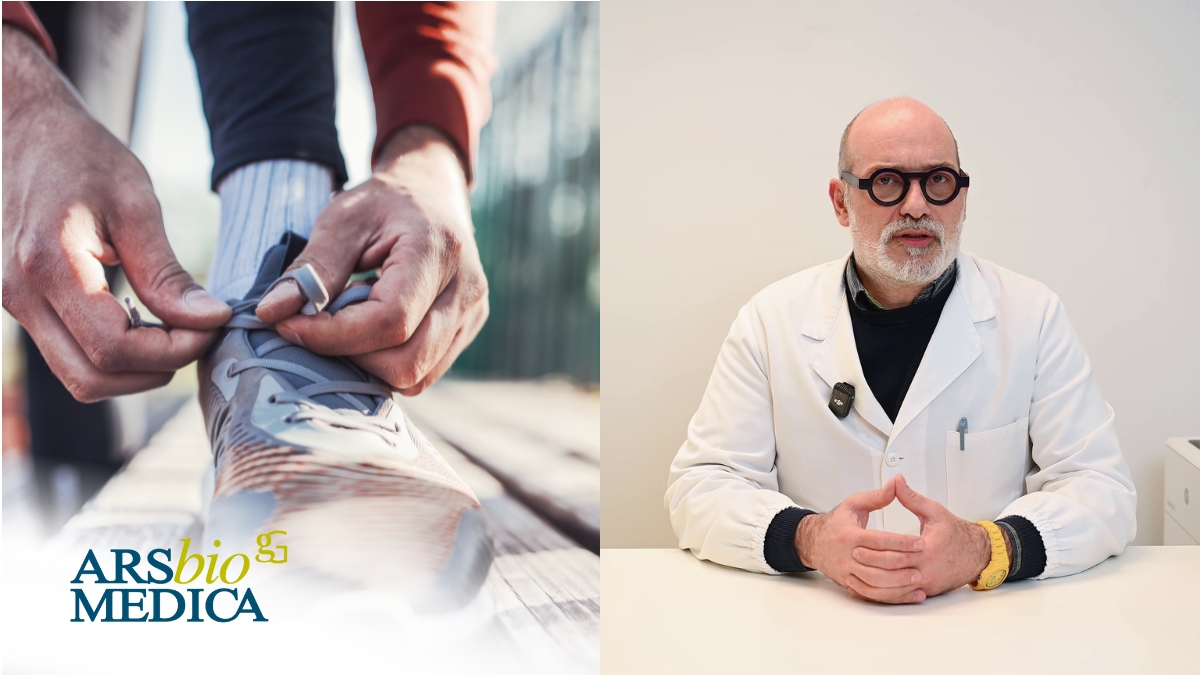
We discuss this with Dr. Marco Villa, orthopedic surgeon specializing in hip and knee replacement surgery.
The answer depends on several factors. However, thanks to increasingly advanced surgical techniques and modern rehabilitation protocols, recovery today is generally faster than in the past.
The First Days After Surgery: Where Does Recovery Begin?
Within the first 6–12 hours after surgery — once the effects of anesthesia have worn off — patients are encouraged to stand and take their first steps, always with the assistance of healthcare staff and a physiotherapist.
Early mobilization is essential to:
-
Reduce pain
-
Prevent complications
-
Promote a faster recovery
During this initial phase:
-
Pain is carefully managed with appropriate therapy
-
Targeted exercises begin to strengthen the muscles
-
Patients learn how to move safely and confidently
The First Weeks: Regaining Independence
In the following 2–4 weeks, most patients regain good autonomy in daily activities such as walking indoors, sitting down, and standing up correctly.
Walking aids — such as crutches or a walker — are temporary and gradually discontinued according to the specialist’s and physiotherapist’s guidance.
Rehabilitation plays a central role at this stage. Consistent, personalized exercises help improve strength, balance, and mobility.
After 1–3 Months: Returning to Normal Life
Within 1–3 months after surgery, patients are typically able to:
-
Walk without assistance
-
Perform normal daily activities
-
Resume an active lifestyle with a significant reduction in pain
Returning to driving and work depends on the type of activity performed and the surgeon’s recommendations, but it often occurs as early as 3–4 weeks post-surgery.
Full Recovery and Return to Sports
Complete joint recovery may take up to 6 months. During this time, the prosthesis fully integrates and the surrounding musculature strengthens optimally.
After six months, patients can generally return even to high-impact sports, provided they follow medical advice.
Adhering to the rehabilitation program, attending physiotherapy sessions, and keeping scheduled follow-up appointments with the orthopedic specialist are crucial to achieving the best long-term outcome.
What Influences Recovery Time?
Recovery varies depending on:
-
The patient’s age and overall health
-
The type of surgery and surgical technique used
-
The quality and consistency of rehabilitation
-
The patient’s commitment to following medical guidance
Does a Personalized Treatment Path Make a Difference?
Undergoing hip replacement surgery at Arsbiomedica Clinic, within a comprehensive and personalized care pathway that integrates surgery, rehabilitation, and follow-up, allows patients to experience recovery with greater confidence and peace of mind.
Thanks to an in-house physiotherapy team providing rehabilitation directly within the facility, each treatment plan is tailored to the patient’s specific needs, starting with careful listening and individual assessment.
Becoming well informed, relying on experienced specialists, and following a personalized pathway are the best ways to return to pain-free movement and achieve a better quality of life.
We also perform a significant number of simultaneous bilateral hip replacements. Remarkably, rehabilitation is often very similar to that of patients who undergo surgery on only one hip.