


Articolo del 02/04/2026
On the occasion of World Hearing Day, promoted each year by the World Health Organization to raise awareness about the importance of prevention and hearing health, it is essential to shine a light on conditions that are often invisible yet highly impactful, such as tinnitus.
Providing accurate information, ensuring early diagnosis, and implementing appropriate treatment are the first steps toward protecting hearing and improving quality of life.
Can tinnitus be cured?
Tinnitus — the perception of a ringing, buzzing, or noise in the absence of any external sound stimulus — is a very common condition and often a significant source of concern for those who experience it.
One of the most frequently asked questions patients pose to specialists is:
“Can tinnitus be cured?”
The most accurate answer is: it depends on the underlying cause.
And this is precisely where the role of the otolaryngologist (ENT specialist) becomes central.
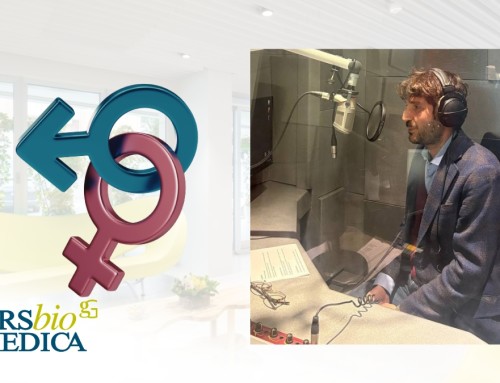
We discuss this with Professor Di Girolamo, ENT specialist at Arsbiomedica Clinic, where a dedicated Tinnitus Center is active for the diagnosis and treatment of this condition.
When can it resolve, and when is management the focus?
Not all cases of tinnitus are the same.
In some patients, tinnitus is secondary to identifiable and treatable causes, such as:
- earwax blockage
- inflammatory conditions of the ear
- Eustachian tube dysfunction
- acute noise exposure
- potentially ototoxic medications
In these situations, by treating the underlying cause, the symptom may significantly improve or even disappear completely.
In other patients, tinnitus is linked to cochlear damage and/or reorganization of central auditory pathways, often associated with hearing loss.
In such cases, the goal is not necessarily to eliminate the sound entirely, but rather to reduce its perceptual prominence and clinical impact, interrupting the cycle of attention, stress, and worsening symptom perception.
What treatments are currently available for tinnitus?
There is no universal treatment for tinnitus: therapy must always be personalized.
When an underlying condition is identified, that pathology is treated first.
For patients with hearing loss, hearing aids can improve auditory function and often reduce the perception of tinnitus.
Sound therapies and habituation programs may help desensitize the auditory system, making the sound progressively less intrusive.
When tinnitus is associated with anxiety, insomnia, or hypervigilance, cognitive behavioral support can be highly beneficial.
In every case, counseling and patient education are central components of treatment.
Simply understanding what is happening and knowing what to expect can already significantly reduce the distress associated with the symptom.
Il Centro Acufeni della Clinica Arsbiomedica: visita approfondita e percorso guidato
In Arsbiomedica la presa in carico non si limita a “dire che cos’è”, ma prevede una visita accurata e un counseling strutturato, con ricerca sistematica di cause e condizioni associate e, quando indicato, accertamenti mirati (audiologici e/o di secondo livello). L’obiettivo è definire un percorso realistico e coerente con il profilo clinico del paziente.
L’approccio è multidisciplinare: oltre all’otorinolaringoiatra, possono essere coinvolti audiologi, psicologi clinici, neurologi, fisioterapisti (se rilevante la componente cervicale) e dentisti (se sospetto contributo temporo-mandibolare).
Perché la diagnosi precoce è fondamentale?
Intervenire presto aiuta a identificare cause reversibili, ridurre il rischio di cronicizzazione e contenere l’impatto emotivo del sintomo. Un acufene recente non va ignorato, ma nemmeno vissuto con allarmismo: la valutazione specialistica è il primo passo corretto.
In conclusione non sempre si “guarisce” dall’acufene in senso stretto, ma nella grande maggioranza dei casi è possibile ridurne il peso clinico e tornare a una vita pienamente gestibile, grazie a diagnosi accurata, counseling e trattamento personalizzato.
In occasione della Giornata internazionale dell’orecchio e dell’udito, il messaggio è chiaro:
ascoltare i segnali del proprio udito è il primo passo per proteggerlo.
Prenotare una visita con un otorinolaringoiatra è il gesto più semplice e più importante per prendersi cura della propria salute uditiva.