

Articolo del 15/07/2026
The heart is an extraordinarily complex organ. When symptoms arise, anomalies appear on cardiac tests, or a diagnosis requires deeper investigation, diagnostic precision is the vital first step toward effective patient care.
Cardiovascular Imaging Excellence in Rome North
In the landscape of cardiovascular disease prevention and diagnosis, Cardiac Magnetic Resonance (Cardiac MRI) stands as one of today’s most advanced modalities for studying the heart. It is a non-invasive, radiation-free exam that provides a comprehensive evaluation of the anatomy, function, and tissue characteristics of the heart muscle.
At our clinic, Cardiac MRI is integrated into a specialized pathway dedicated to cardiovascular diseases, performed through close collaboration between cardiologists and radiologists with specific expertise in advanced cardiac imaging.
3-Tesla Technology: Engineered for Diagnosis
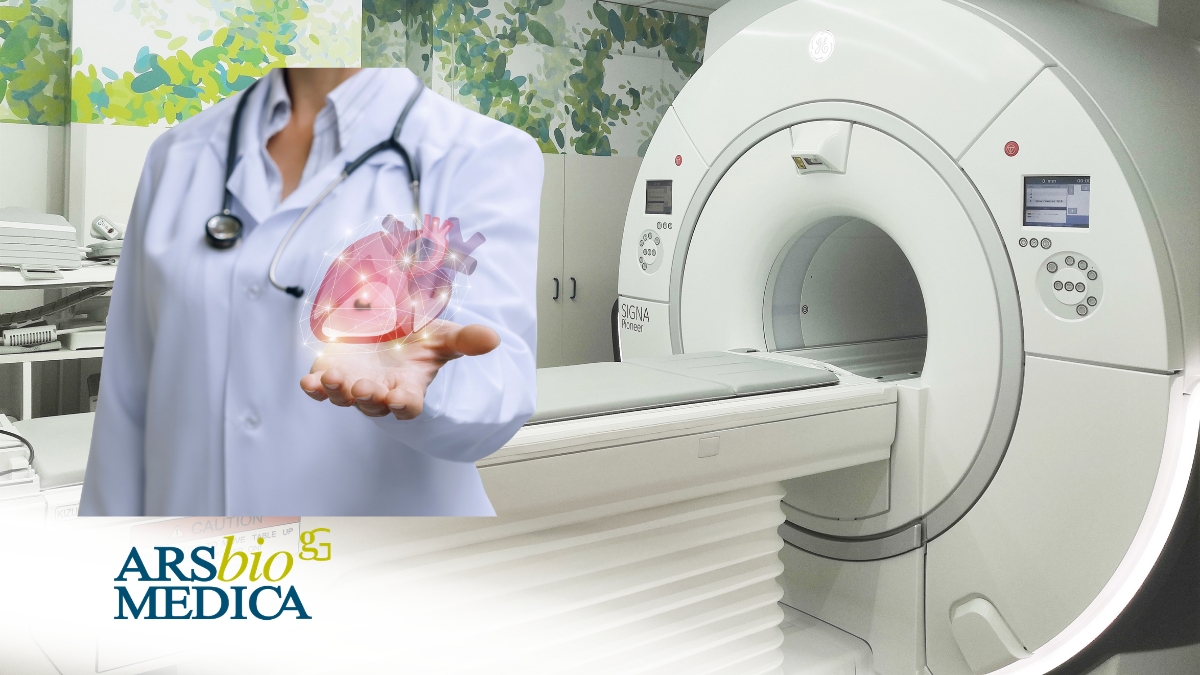
To guarantee images of the highest diagnostic quality, the Clinic features a state-of-the-art, high-field 3-Tesla MRI system equipped with advanced software and Artificial Intelligence applications.
This technology delivers high-definition images of the heart, significantly improving the evaluation of the myocardium, cardiac chambers, and potential tissue abnormalities—all while optimizing scan times and enhancing patient comfort.
When Does Cardiac MRI Make the Difference?
Today, Cardiac MRI plays a pivotal role in diagnosing and managing a wide range of cardiovascular conditions:
- Cardiomyopathies: It serves as the gold standard for studying cardiomyopathies—conditions often responsible for heart failure, complex arrhythmias, and, in some cases, sudden cardiac death.
- Myocarditis and Fibrosis: It accurately identifies the sequelae of myocarditis, areas of myocardial fibrosis, and structural tissue changes that can trigger high-risk ventricular arrhythmias.
- Arrhythmia & Genetic Evaluation: The exam is an essential tool for evaluating patients presenting with ventricular extrasystoles, ventricular tachycardia, a family history of sudden death, or suspected hereditary heart muscle diseases.
- Post-Infarction Assessment: It plays a central role following a myocardial infarction (heart attack) by quantifying the extent of damage, assessing myocardial viability, and providing invaluable prognostic insights to guide subsequent therapeutic decisions.
Thanks to advanced tissue characterization techniques, such as T1/T2 mapping and late gadolinium enhancement (LGE), Cardiac MRI can detect subtle tissue alterations that often remain invisible to other diagnostic modalities.
A Specialized Exam Requiring Expert Clinical Context
Cardiac MRI is not a routine screening tool; rather, it is a highly specialized diagnostic instrument that must be integrated into an appropriate cardiological pathway.
For this reason, both the referral for the exam and the interpretation of its results must occur within a dedicated specialist evaluation. This ensures that the clinical insights gained are of maximum value and are seamlessly integrated into the patient’s overall care plan.
Our Vision: Precision Diagnosis and Multidisciplinary Care
Our mission is to offer a comprehensive diagnostic and therapeutic journey where advanced technology, specialized expertise, and patient-centered care work in harmony.
The seamless collaboration among cardiologists, radiologists, and multidisciplinary specialists allows us to support patients through every stage of their clinical journey—from the initial diagnosis to defining the most appropriate, personalized treatment strategy.
Caring for the heart begins with understanding the precise nature of the disease. Today, Cardiac MRI is one of our most powerful tools to achieve this goal.