


Articolo del 04/05/2026
In the field of cardiology, an accurate diagnosis is far more than a technical detail—it is the essential cornerstone of every successful treatment plan. Yet, when it comes to Coronary CT and Coronary Angiography, confusion remains common.
The question is frequently asked: Are they the same?
The answer is straightforward: No. While both examine the coronary arteries, they do so using fundamentally different methodologies, technologies, and clinical objectives. We explore these differences with the Radiology Team at the Clinic.
Innovation in Prevention: The Coronary CT Scan
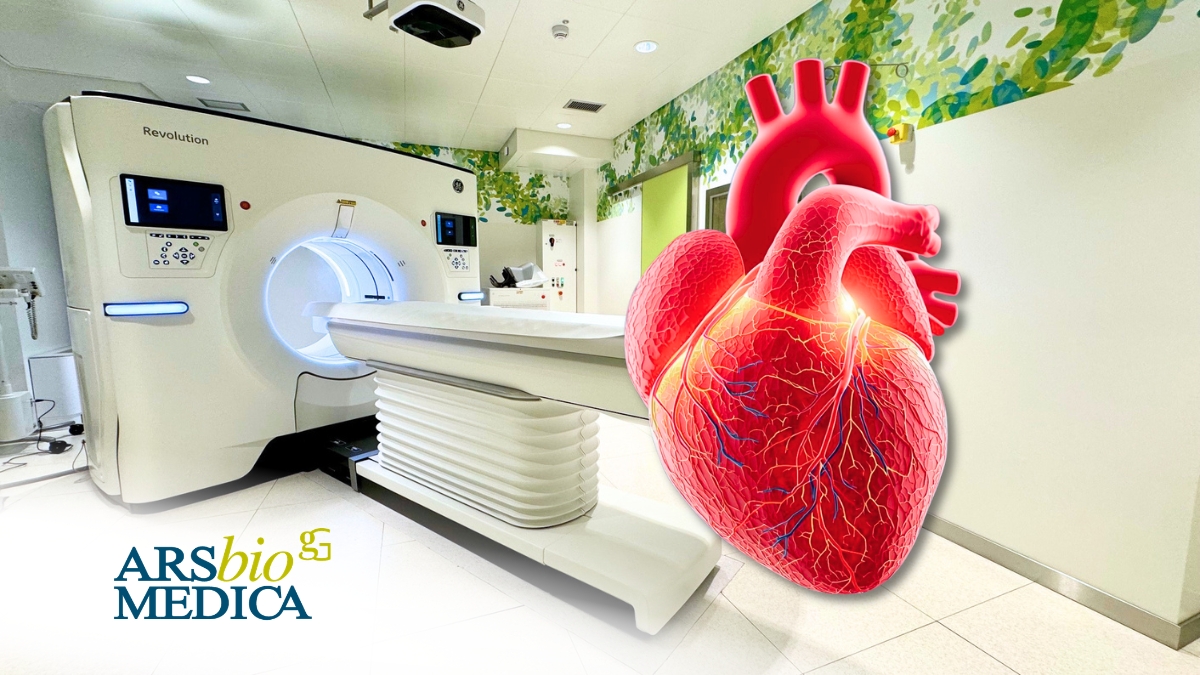
The Coronary CT (CCTA) represents the next frontier in cardiovascular diagnostic imaging. It is a non-invasive procedure that leverages the speed and precision of modern CT scanners to capture the heart in motion. By injecting a contrast agent into a vein in the arm, specialists can reconstruct the entire coronary network in high-definition 3D.
With our clinic’s advanced 512-slice CT scanner—featuring full volumetric coverage—traditional limitations related to high heart rates or arrhythmias are virtually eliminated, remaining relevant only in rare, highly specific cases.
The true clinical value of this examination lies not only in identifying arterial narrowing (stenosis) but in its ability to analyze the vessel walls themselves. This allows for the early detection of calcium deposits and atherosclerotic plaques, even in their nascent stages. It provides a comprehensive assessment of coronary artery disease that goes far beyond simply identifying blockages.
Given these advantages, a Coronary CT is particularly indicated for patients with atypical symptoms, or for post-operative monitoring following bypass surgery or angioplasty. It delivers definitive answers in minutes, without the need for hospitalization.
When Diagnosis Becomes Treatment: Coronary Angiography
Coronary Angiography is an invasive procedure performed in a specialized environment known as a Cardiac Catheterization Lab (Hemodynamics Room). Unlike a CT scan, it involves the introduction of a thin catheter through an artery—typically via the wrist—guided to the origin of the coronary arteries, where contrast is injected directly.
Why is Angiography still performed if CT scans exist?
The reason lies in a unique, definitive advantage: immediate therapeutic intervention. If a significant narrowing or total occlusion is identified during the procedure, the cardiologist can proceed in the same session with an angioplasty and stent implantation, instantaneously restoring proper blood flow.
Consequently, angiography remains the gold standard for acute cardiac events, such as myocardial infarction (heart attack), and for patients with known or highly suspected coronary artery disease that requires active treatment.
Which examination is most appropriate?
There is no “superior” test in absolute terms; rather, there is a clinically appropriate diagnostic pathway tailored by a cardiologist to each patient’s unique medical history.
Today, thanks to Coronary CT, we can often bypass unnecessary invasive procedures, obtaining high-fidelity imagery with minimal patient discomfort. However, when the clinical presentation indicates a need for intervention, coronary angiography remains an essential and irreplaceable tool.
The objective is not to choose one method over the other, but to integrate them strategically within a well-defined clinical roadmap.
.