

Articolo del 04/05/2026
Today, more than ever, advancements in medical science and diagnostic technology allow us to detect lung cancer in its earliest stages—at a point where the chances of a successful recovery are significantly higher and surgical interventions are far less invasive.
But how can we identify this pathology in time? And what tools do we have at our disposal to prevent or diagnose it early?
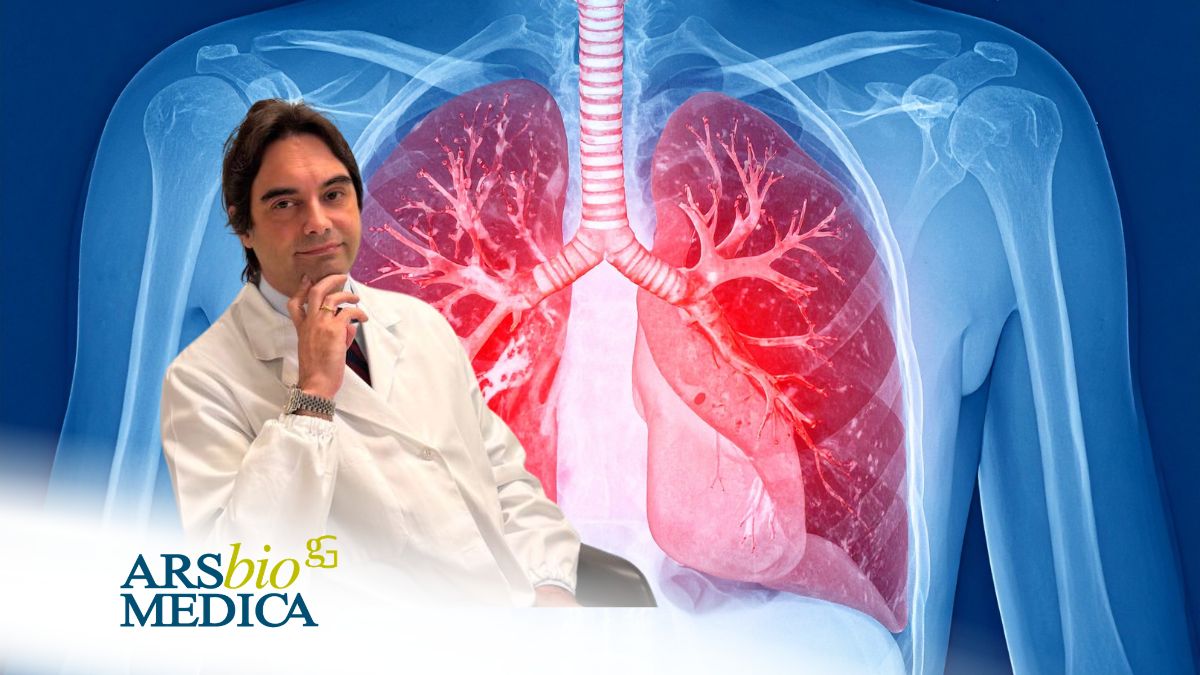
We discuss this with Professor Giulio Maurizi, a Thoracic Surgeon at our clinic and Professor of Thoracic Surgery at “La Sapienza” University of Rome, who has dedicated years to the surgical management of pulmonary oncological diseases.
“We now have increasingly effective and minimally invasive examinations to study the lungs,” explains Professor Maurizi. “Among these, low-dose CT (LDCT) scans play a fundamental role. This is a rapid and safe investigative tool that allows us to identify even small pulmonary nodules that are often entirely asymptomatic.”
The ability to intercept lesions in their early phase represents a decisive shift in the fight against lung cancer. Once a nodule is identified, it is essential to initiate a structured diagnostic pathway to evaluate its nature through targeted monitoring and further specialized investigations.
“If a malignant neoplasm is confirmed,” the Professor continues, “early intervention not only significantly boosts the probability of a full recovery but also allows for more conservative surgical procedures. This means preserving a greater amount of healthy lung tissue and ensuring a higher quality of life for the patient post-operation.”
The Impact of Timely Detection
Early diagnosis does not only influence survival rates; it fundamentally alters the entire treatment experience. Conservative surgery, faster recovery times, and fewer complications are just some of the clinical benefits associated with the timely identification of the disease.
Alongside diagnosis, prevention remains a cornerstone of lung health. Avoiding cigarette smoking—the primary risk factor—and undergoing periodic screenings for high-risk individuals are essential strategies for reducing the incidence of this pathology.
The earlier the diagnosis, the greater the therapeutic options and the lower the impact of treatment on the body. Choosing specialized centers and adhering to screening protocols is a conscious, informed, and potentially life-saving decision.